Fallen Tree Removal in Durham Region
A tree that is already down is a different job from one still standing — weight, tension and whatever it landed on all change the approach. Tell us what it fell on and we'll help connect you with a local tree-removal professional.
Why fallen trees are handled differently
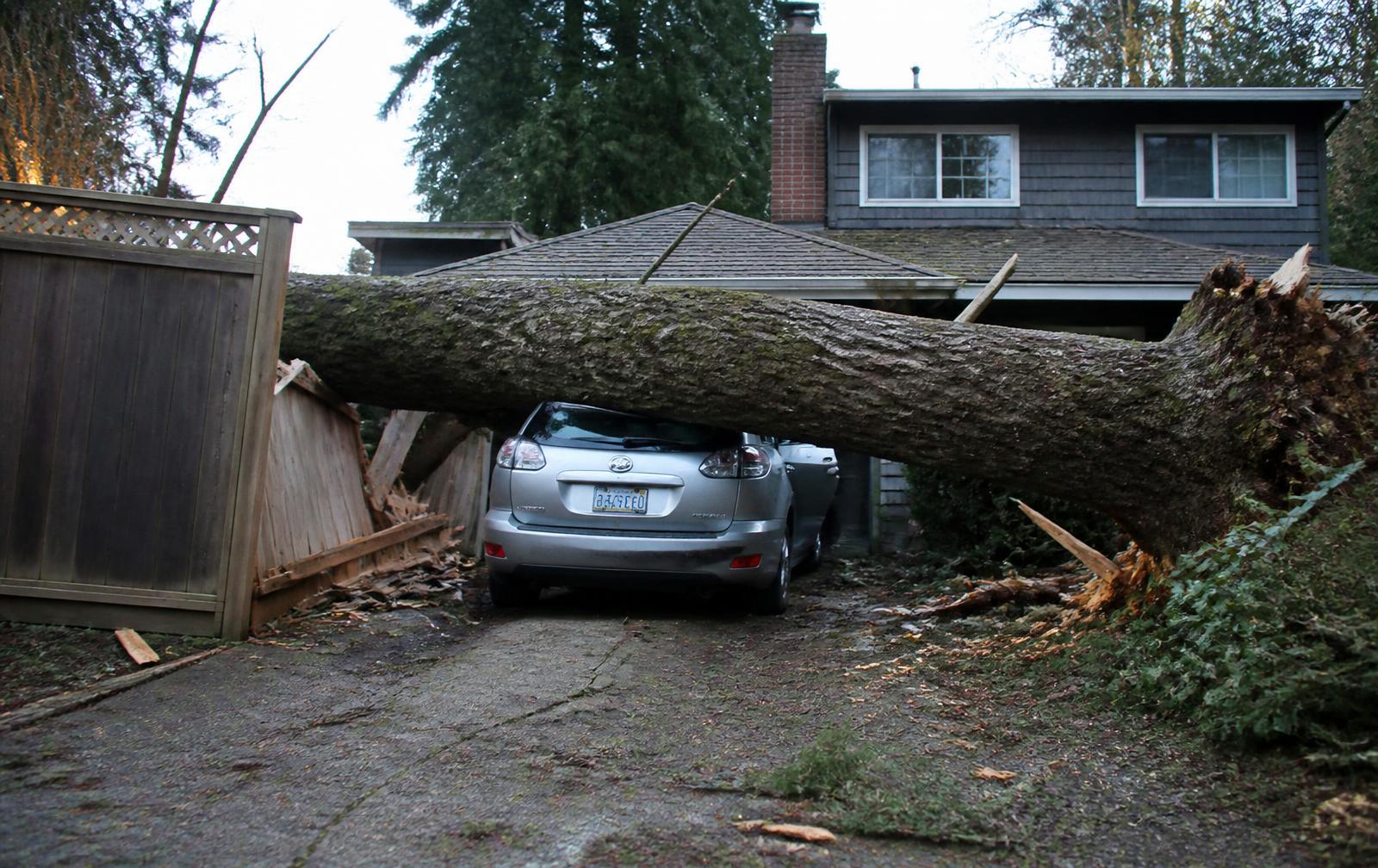
A fallen trunk is rarely lying loose. It is usually bearing on a fence, a roofline, a vehicle or its own root plate, and the wood is under compression on one side and tension on the other. Cutting in the wrong order lets that energy release suddenly — which is exactly how homeowners with a rented chainsaw end up in hospital.
Professionals relieve the load in stages, often supporting the trunk before making the first cut, and remove weight from the structure before dealing with the rest. If the tree landed on your house or car, the sequence also has to protect what is underneath it.
What to include in your request
Tell us what the tree fell on, roughly how big the trunk is, whether the root plate has lifted, and whether the property is still accessible. Two or three photos from different angles — one wide, one close to the point of contact — usually answer more questions than a paragraph of description.
Fallen tree situations
- Tree down on a roof, garage or shed
- Trunk across the driveway or a parked car
- Tree flattening a fence or deck
- Uprooted tree with the root plate standing up
- Tree fallen across a rural laneway
- Large limb down on a lawn or patio
Fallen Tree Removal across Durham Region
Choose your municipality for local details, or submit the form and we'll route it for you.